The Sneaks
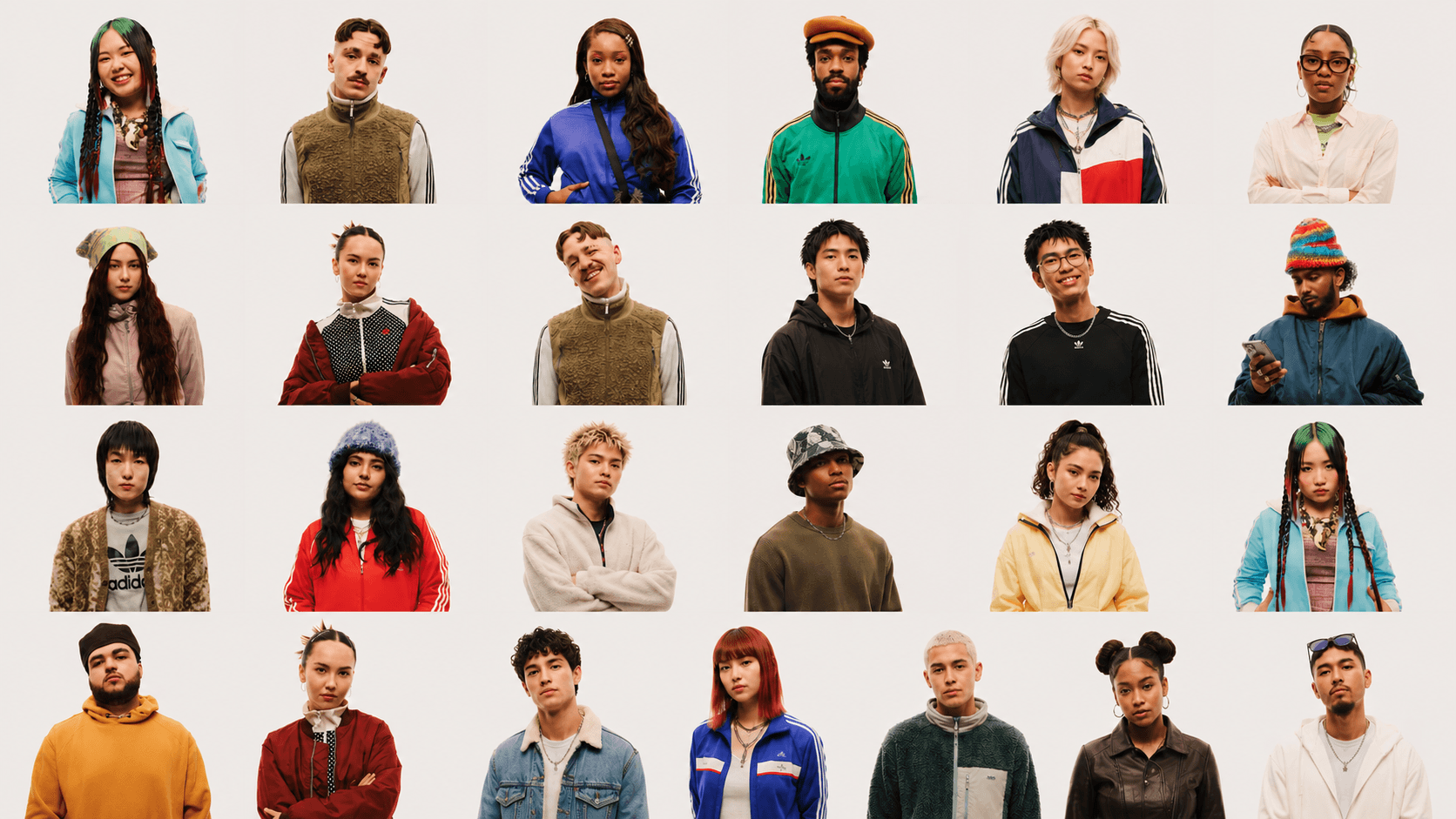
Over the last decade, collaborations have become one of the defining forces in modern fashion. What once existed as occasional partnerships between brands has now evolved into a sophisticated marketing strategy used across nearly every major industry.
Fashion brands no longer collaborate simply to create products. They collaborate to create attention, cultural moments, and emotional relevance.
The rise of social media played a major role in accelerating this shift. Digital platforms dramatically increased competition for consumer attention, forcing brands to find new ways to stand out in overcrowded markets. Collaborations quickly became one of the most effective solutions.
By combining two audiences, two identities, and two creative directions, collaborations naturally generate curiosity and conversation. Consumers become interested not only in the final product, but in the unexpected relationship between the participating brands.
One of the earliest examples of collaboration-driven marketing success came from the intersection of luxury fashion and streetwear. Partnerships that once seemed unlikely helped redefine how consumers viewed fashion categories entirely. Luxury brands gained cultural relevance and younger audiences, while streetwear labels gained global visibility and elevated perception.
Sportswear companies also transformed collaborations into long-term brand strategies. Rather than relying solely on traditional advertising, brands began partnering with musicians, designers, artists, athletes, and cultural figures to create products that felt more personal and community-driven.
These collaborations often generate significantly more organic engagement than standard marketing campaigns. Product teasers, behind-the-scenes content, limited drops, and launch events create anticipation weeks before release. In many cases, the conversation surrounding the collaboration becomes more valuable than the product itself.
Collaborations also help brands expand beyond their core identity. A footwear company can enter fashion conversations through a luxury partnership. A streetwear label can access new demographics through music or sports collaborations. The partnership itself becomes a shortcut into entirely different cultural spaces.
Scarcity further strengthens the impact of collaborations. Most partnership releases are intentionally limited, increasing demand and encouraging rapid online engagement. This creates a cycle where exclusivity drives visibility, and visibility reinforces perceived value.
Modern collaborations are increasingly experience-driven as well. Brands now build entire campaigns, immersive retail spaces, pop-up stores, and digital activations around collaborative launches. The goal is no longer simply selling a product — it is creating a cultural event consumers want to participate in.
Another important factor is storytelling. Consumers today are highly responsive to products that feel emotionally connected to culture, identity, or creativity. Collaborations allow brands to merge narratives and create products with stronger emotional depth than standalone collections.
At the same time, the growing number of partnerships has also created challenges. As collaborations become more common, consumers are becoming more selective about which partnerships feel authentic and meaningful. Collaborations driven purely by visibility often struggle to create long-term cultural impact.